Disaster management is a multifaceted and continuous process that involves preparedness, response, and recovery efforts aimed at minimizing the impact of disasters while building resilient communities. It requires effective planning, efficient resource allocation, and strong coordination among stakeholders, alongside active community participation. In this context, RDC Nepal has been playing a crucial role in strengthening Disaster Risk Reduction (DRR), particularly in vulnerable and disaster-prone areas, with a strong focus on flood response in the Terai region. The organization adopts a community-centered and inclusive approach, ensuring that ultra-poor families—especially from Dalit and Muslim communities—are prioritized, as they are often the most exposed to disaster risks due to social and economic marginalization.
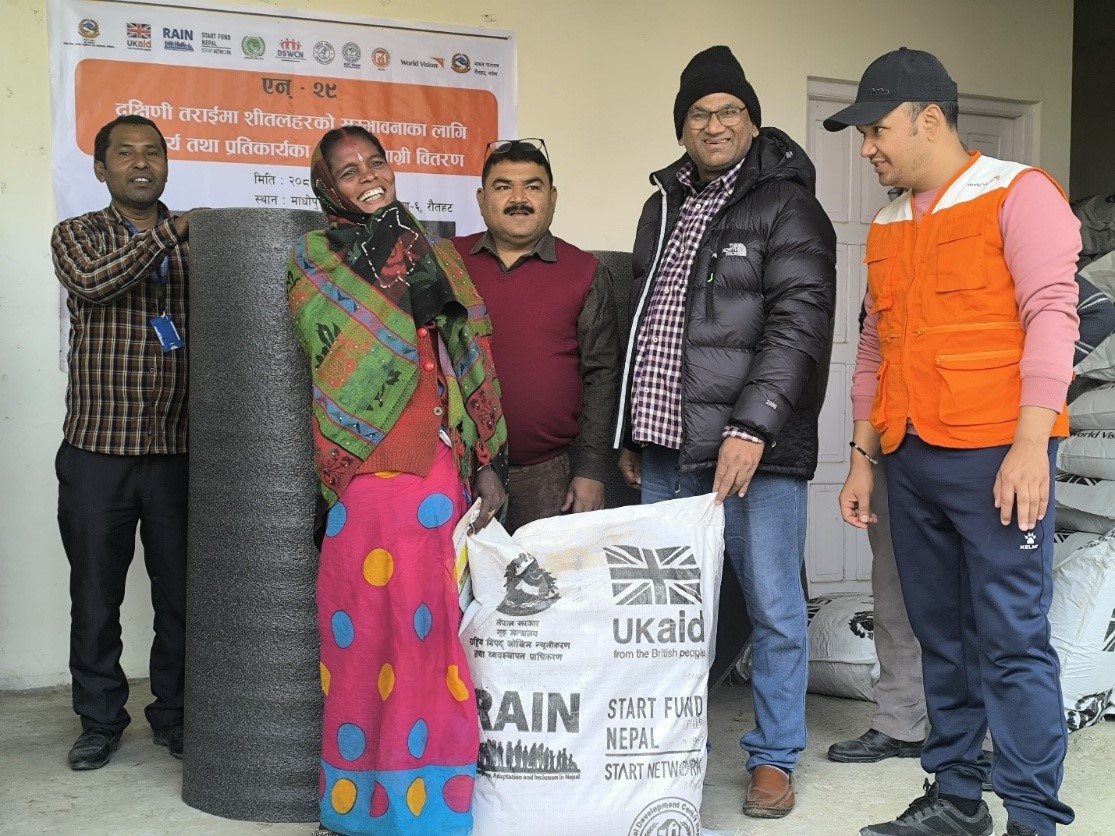
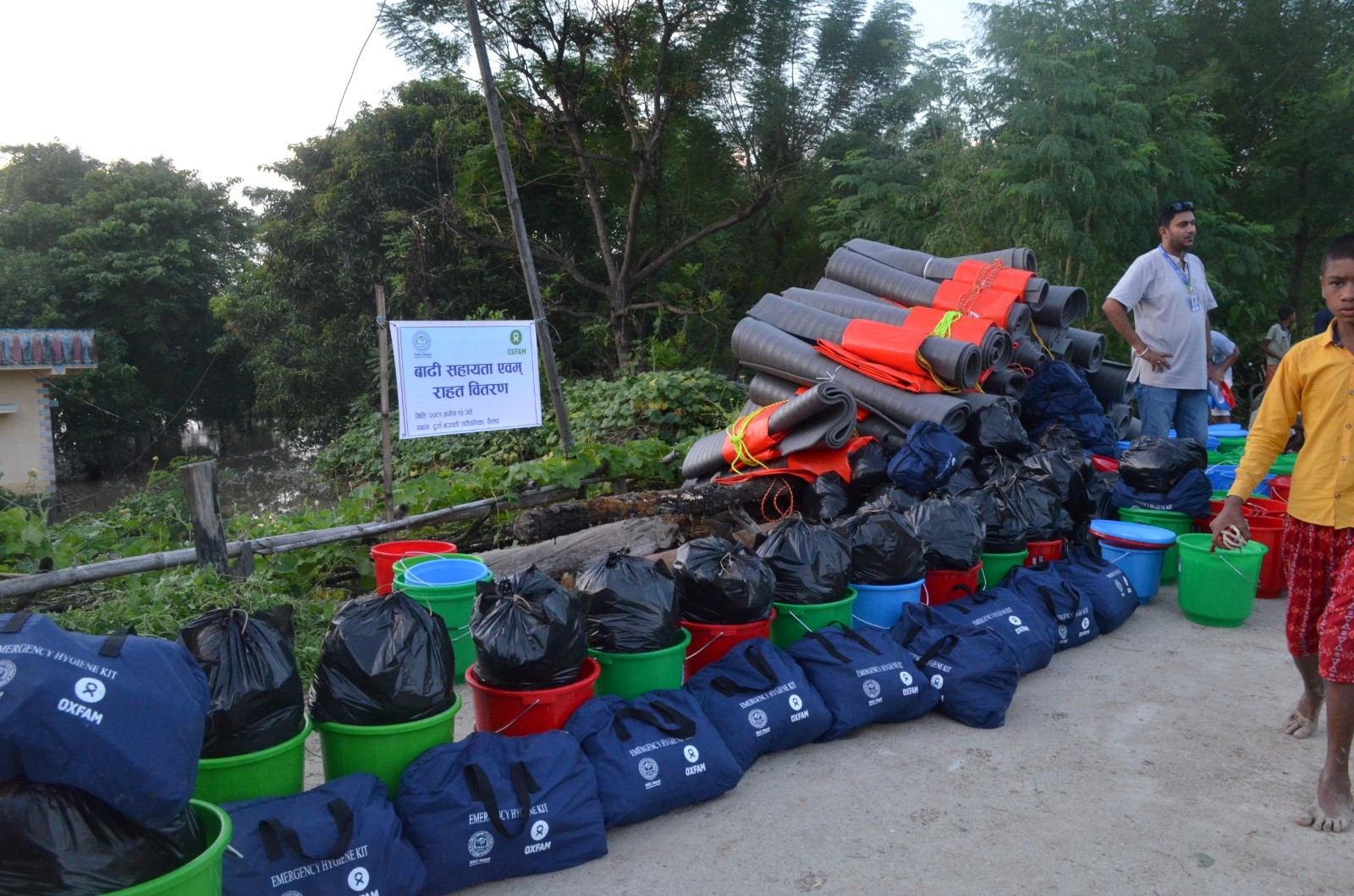
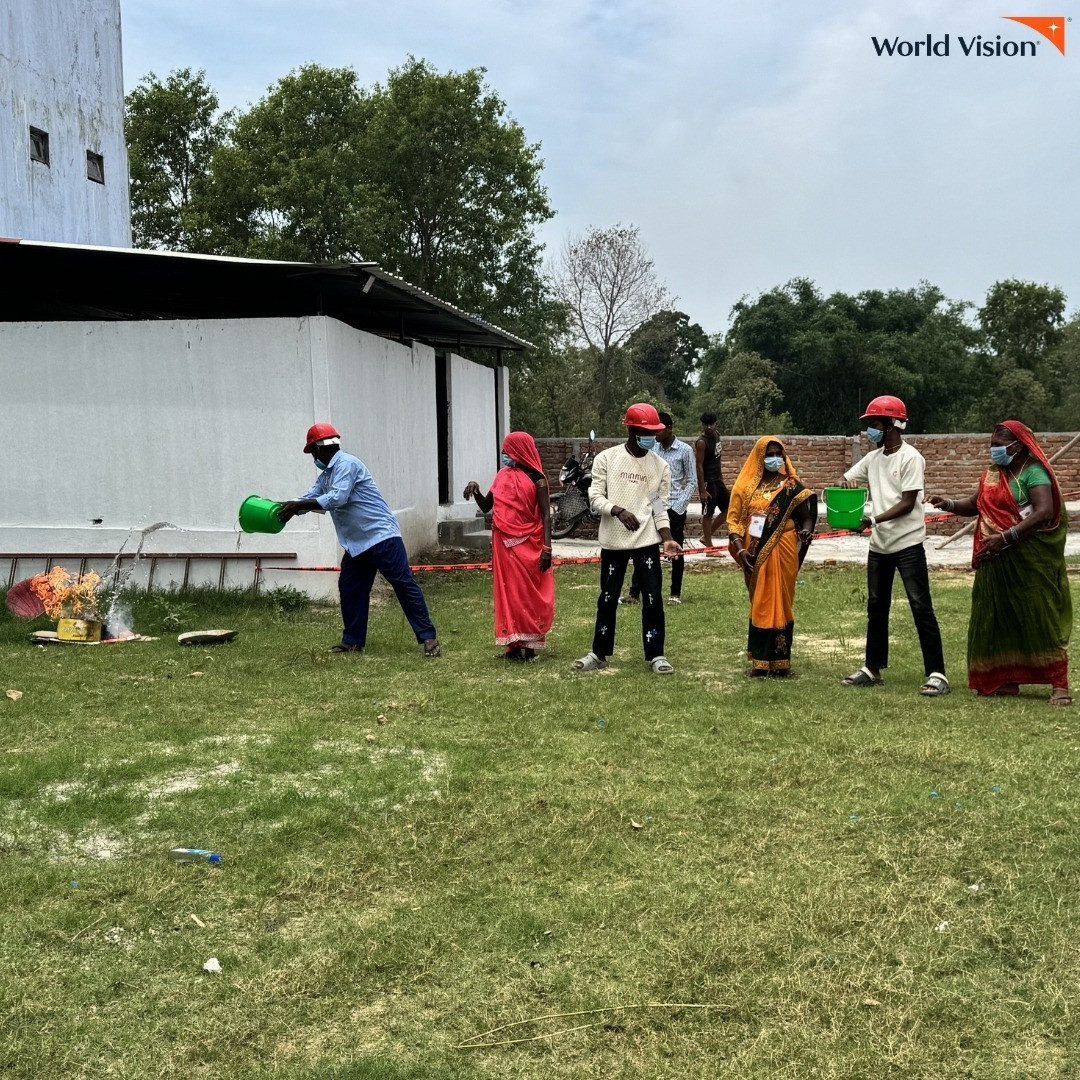
In the preparedness phase, RDC Nepal works closely with local governments, schools, and community groups to build local capacity and awareness. It supports the formation and strengthening of Community Disaster Management Committees (CDMCs), conducts training on early warning systems, evacuation planning, and first aid, and implements school-based disaster preparedness programs. These initiatives empower communities with knowledge and skills to anticipate and respond effectively to disasters. During flood emergencies, RDC Nepal provides immediate life-saving assistance, including food, safe drinking water, clothing, hygiene kits, and temporary shelter support for displaced families. Special attention is given to children through the establishment of child-friendly spaces and psychosocial support, ensuring their safety and well-being during crises. The organization also conducts rapid needs assessments and coordinates with local authorities and other humanitarian actors to deliver timely and targeted support.
In the recovery and rehabilitation phase, RDC Nepal assists affected families in rebuilding their lives by supporting the reconstruction of homes and community infrastructure, restoring livelihoods, and ensuring children return to school with necessary educational materials and support. Additionally, it promotes climate-resilient practices to reduce future risks and enhance long-term sustainability. A key strength of RDC Nepal’s approach is its emphasis on community ownership and participation. By mobilizing local volunteers, youth groups, and women’s groups, the organization builds local leadership and ensures faster, culturally appropriate responses during emergencies.
Despite these efforts, several challenges persist, including the need for more effective early warning systems that reach marginalized households, stronger and disaster-resilient infrastructure, sustainable livelihood opportunities, and increased funding for both immediate response and long-term recovery. There is also a need for improved coordination among stakeholders and strengthened child protection mechanisms to prevent risks such as child labor, trafficking, and exploitation during disasters. Overall, RDC Nepal’s integrated approach to disaster management—combining preparedness, rapid response, and recovery with a strong focus on inclusion and community empowerment—significantly contributes to building resilient communities capable of withstanding and recovering from disasters, particularly floods.